Pilgrimage Worthy: The Brewmasters Behind America's Most Cult-Followed Taprooms
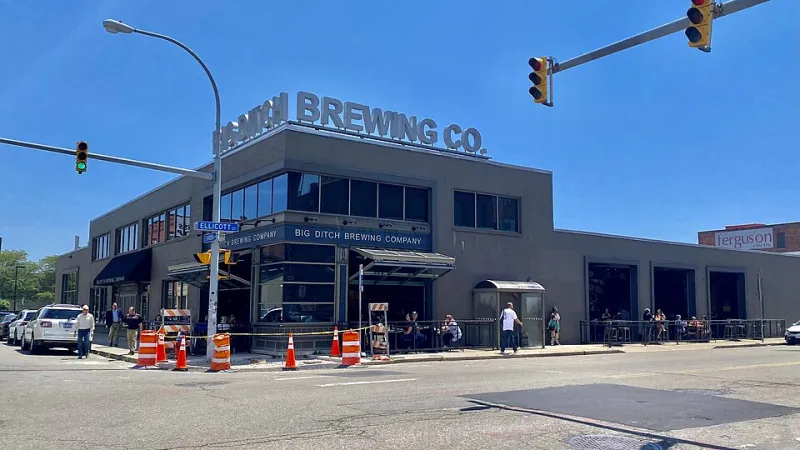
Photo: Andre Carrotflower, CC BY-SA 4.0, via Wikimedia Commons
Every great brewery has a face. Not the mascot, not the logo — the person standing in the brewhouse at 6 a.m. with a thermometer clip in their apron pocket and very strong feelings about water chemistry.
We're talking about brewmasters, the head coaches of fermentation, the folks whose palates and philosophies shape every single pour. These are five American taprooms where the person behind the tanks is the reason to book the flight, rent the car, or at minimum, clear your Saturday.
The Alchemist — Stowe, Vermont
If craft beer had a hermit sage, it'd be John Kimmich. The Alchemist famously brewed Heady Topper into a cult phenomenon so intense that people were trading cans like concert tickets, prompting Kimmich to publicly beg fans to stop lining up at dawn.
What to drink: Heady Topper, obviously — but the real heads know Focal Banger is the more refined expression. Expect a wall of resinous, juicy hop character with a drinkability that defies the intensity.
The philosophy: Kimmich has spent years championing fresh, local consumption over shelf stability — his cans are meant to be drunk young and close to home. It's a stance that shaped how an entire generation of East Coast drinkers thinks about hop-forward beer.
Jester King — Austin, Texas
Jeffrey Stuffings built Jester King on a radical idea for Texas: let the beer decide what it wants to be. Brewing with wild yeast and native Texas microflora in the hill country west of Austin, the brewery produces farmhouse ales that taste like the landscape itself — earthy, funky, faintly floral.
What to drink: Anything from their spontaneous and mixed-fermentation program. Le Petit Farmer is the gateway; the barrel-aged sour program is the deep end.
The philosophy: Terroir, patience, and a farm-to-glass ethos that predates it being trendy. The on-site kitchen and sprawling ranch setting make it less a taproom visit and more a full-day pilgrimage.
Tree House Brewing — Charlton, Massachusetts
Nate Lanier turned a western Massachusetts barn operation into arguably the most sought-after brewery in America. The lines outside Tree House on release days look like a theme park, except the souvenir is a four-pack of Julius.
What to drink: Julius and Green are the hazy icons, but the lager program quietly rivals the IPAs — a statement that would've been heresy a decade ago.
The philosophy: Lanier is famously detail-obsessed, from water profiles to the experience of the taproom itself. Tree House's grounds — decks, fire pits, a small amphitheater — reflect a belief that beer tasting is an event, not a transaction.
Half Acre — Chicago, Illinois
Gabriel Magliaro built Half Acre into Chicago's north-side institution by refusing to pick a lane. Daisy Cutter, the flagship pale ale, is a masterclass in restraint — a beer that taught a whole city that 'sessionable' and 'flavorful' weren't enemies.
What to drink: Daisy Cutter on draft, fresh, ideally within sight of the brewhouse. The Benthic stout series shows the range when they decide to go big.
The philosophy: Magliaro's approach blends Midwest humility with genuine artistic ambition — big murals, weird one-offs, and a taproom that feels like a neighborhood living room rather than a destination bar.
Russian River Brewing — Santa Rosa, California
Vinnie Cilurzo is American sour beer royalty. The co-founder of Russian River essentially wrote the playbook for barrel-aged sour brewing in the US, and Pliny the Elder remains the double IPA against which all others are measured — usually unfavorably.
What to drink: Pliny the Elder, obviously, but Supplication and Consecration — the barrel-aged sours — are the true sensei-level pours. Tart, oaky, complex, and nearly impossible to find outside the brewery.
The philosophy: Cilurzo's patience-first approach to mixed fermentation runs counter to everything else in fast-turnover craft beer. Some of these barrels wait years for their moment. The taproom, mercifully, does not require the same wait — just planning, and ideally a Tuesday visit.
Plan Your Pilgrimage
A few field notes from the Ninja Brewski travel desk: check release calendars before you go (Tree House and Russian River especially), go with a designated driver or a rideshare app, and buy extras — the friends who didn't make the trip will judge you by what you brought back.
Five breweries, five philosophies, five very good reasons to put serious miles on your car this year. The beer is worth it. The stories are better.