The Off-Menu Taproom Heist: Reading the Clues That Lead to Brewery-Only Pours
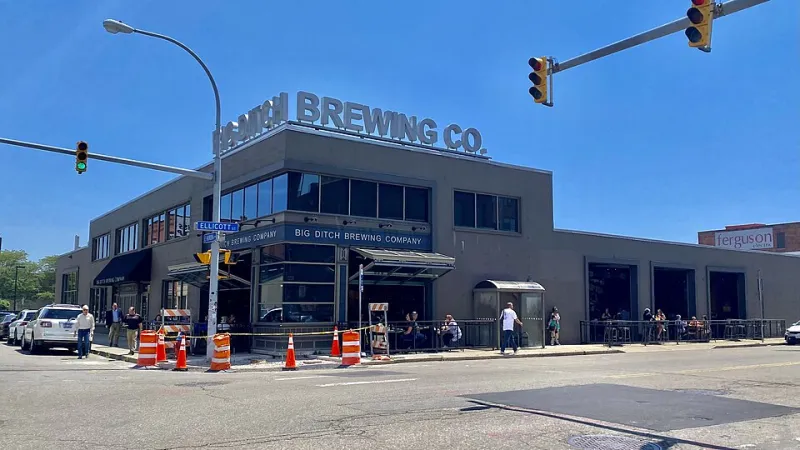
Photo: Andre Carrotflower, CC BY-SA 4.0, via Wikimedia Commons
The taproom menu is not a confession. It’s a highlight reel. Breweries put their steadiest sellers, seasonal crowd-pleasers, and whatever the distributor needs on the board. The weird stuff—the barrel-aged experiment, the pilot batch dry-hopped with something a brewer smuggled back from a trip, the keg that got tapped because the assistant brewer won a bet—often lives somewhere less photogenic. Maybe it’s in the back cooler. Maybe it’s on a tap handle with a piece of masking tape. Maybe it’s simply known to the person pouring your beer.
This is not about cracking a vault. It’s about reading the room, asking one clean question, and accepting the answer. Think less Ocean’s Eleven and more polite ninja with a tasting glass.
The Board Is the Map, Not the Territory
Start with the obvious: not every hidden keg is a secret. Some are just waiting. A brewery might hold a small batch for a staff tasting, a festival, or a release party. Some states have rules about what can be sold in what volume, and some breweries keep limited kegs for on-site pours only. The board is the public face of a working production space, not a complete inventory spreadsheet.
That said, menus lie in small, innocent ways. Digital boards lag. QR-code menus get stale. Chalk gets erased unevenly. A keg kicks at 4:58 p.m. and the tap handle stays up until someone remembers to pull it. So before you start interrogating the bartender, do the low-effort reconnaissance: read the physical board, scan the tap handles, and note what the person next to you is drinking.
Clue One: The Tap Handles That Don’t Match the Menu
Tap handles are the taproom’s body language. A tidy row of branded handles usually means a tidy lineup. A handle with a strip of blue painter’s tape and a handwritten abbreviation means someone tapped something in a hurry. A handle with no label at all? That’s not a red flag. That’s a treasure map with poor penmanship.
Look for orphan handles, numbered tags, or a small sign that says “taproom only” in the kind of font that suggests it was printed five minutes before open. These are not guarantees. They are clues. The beer might be a staff-only pour, a collab with the coffee shop next door, or a leftover keg from a wedding. Your job is not to assume access. Your job is to notice.
Also watch the pours. If every employee on break is drinking from the same unmarked tap, that’s not a coincidence. That’s a staff favorite. Wait until the rush dies down before you mention it.
Clue Two: The Language of Limited Release
Brewery vocabulary is wonderfully imprecise. “Brewery-only” can mean it’s not distributed. “Taproom exclusive” can mean it’s not leaving the building. “Pilot batch” can mean the brewers are still deciding whether it’s good. “Small batch” can mean there are four kegs, or it can mean there is one keg and the head brewer’s birthday is on Friday.
You don’t need to decode all of it. You just need to ask a question that gives the staff an easy exit. Try: “Anything pouring today that isn’t on the board?” Or: “Any brewery-only or small-batch pours I should know about?” Avoid “What are you hiding?” That sounds like a deposition. Avoid “What’s the secret beer?” That sounds like a guy who owns a fedora with a built-in bottle opener.
One question. Friendly tone. No follow-up guilt trip. If the answer is “not right now,” thank them and order something from the board. The board has beer too. It’s not punishment.
Clue Three: The Timing Window
Hidden pours have seasons. A keg might get tapped on a slow Tuesday afternoon because the brewers need to taste it before deciding on the next batch. A barrel-aged release might be held for a members’ night. A staff favorite might appear after a festival keg comes back half-full. If you want to stumble into the good stuff, pay attention to the brewery’s release rhythm without turning into a one-person surveillance operation.
Follow the brewery’s social accounts. Read the newsletter. Ask what kicked and what’s coming on. The gap between “kicked” and “coming on” is where taproom lore lives. But keep it light. There’s a difference between being curious and asking the bartender to recount the entire keg log while a line forms behind you.
The Ask: A Script Without Pest Energy
Here’s a script that works in most US taprooms: “I’m working through your board—anything in the back cooler or a brewery-only pour that isn’t listed? Totally fine if not.”
Order a beer first. Tip well. Ask once. If the answer is yes, take the pour they offer, say thank you, and don’t demand a growler fill, a sample tray, or a private tour of the cooler. If the answer is no, let it go. The quickest way to become the taproom pest is to treat a small-batch keg like a customer-service challenge.
And if you do get lucky? Don’t make a scene. Enjoy the beer. Mention it to the person who poured it. Maybe don’t broadcast the exact keg count to the internet while it’s still pouring. Quiet appreciation is the ninja move.
When the Answer Is No
No is the normal answer. Limited kegs get reserved for staff, regulars, festivals, and release events. Sometimes the brewery literally cannot sell it by the glass. Sometimes the keg is spoken for. Sometimes the beer is not ready. Sometimes the person behind the bar has been asked the same question forty times since noon and would like to finish wiping the bar in peace.
Take the no with grace. “Thanks—I’ll keep an eye on your releases” is a perfectly good exit line. Becoming a familiar, respectful face is a better long-term strategy than extracting one secret pour from a tired bartender on a Saturday night.
The Real Score
The back-cooler protocol is not about unlocking a hidden menu. It’s about paying attention. Read the handles. Watch the pours. Ask one good question. Accept the answer. Tip like you mean it. The best brewery-only pour is not the one you pried out of a reluctant taproom; it’s the one you get handed because you were curious without being a nuisance. Move quietly. Drink well. Leave no trace except a decent tip.