Twenty-Four Days of Quiet Mayhem: Build a Beer Advent Calendar That Actually Earns Its Hype
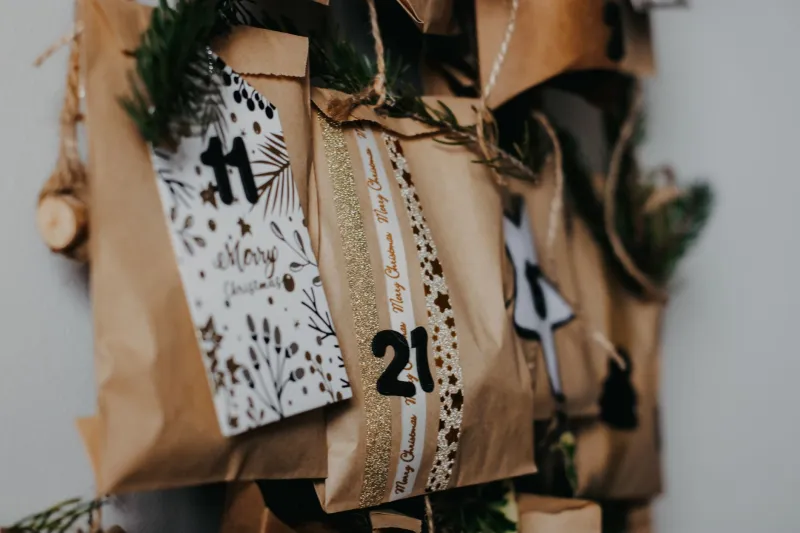
Advent calendars used to be simple: open a tiny door, eat a waxy chocolate, question your life choices. Then somebody decided adults deserved a version with beer, and the market responded with $120 boxes full of pumpkin ales nobody asked for and one lone imperial stout doing all the heavy lifting. If you want a December that delivers a small, excellent surprise every night, you build the thing yourself. It is not hard. It just requires a plan, a budget, and the kind of quiet confidence usually reserved for people who own label makers.
Here is the Ninja Brewski field manual for assembling a 24-day craft beer calendar for December 2026. No novelty duds. No random fridge cleanout. Just a sequenced run of beers that makes every evening feel like a discovered mission rather than a chore.
Start With the Math, Not the Merch
Twenty-four beers is the target. That number sounds intimidating until you realize it is just four mixed six-packs, or a couple of build-your-own runs at a good bottle shop. Most American craft-friendly stores let you assemble a custom six-pack from singles, which is the single best tool in your arsenal. You get variety without committing to four bottles of a beer you might not love.
Budget accordingly: somewhere between $60 and $120 total is realistic for solid craft beer in most US markets, depending on whether you lean local or chase a few special releases. The trap is the $9 novelty bottle with a wax seal and a flavor profile described as “birthday cake meets campfire.” Skip it. You are building a calendar, not a conversation piece for your recycling bin.
A practical split: sixteen singles from mixed six-packs, six local brewery picks, and two wildcards you are genuinely excited about. That keeps cost down and variety high. Buy one extra beer as a backup swap in case a can is flat or a bottle is a dud. Treat it like an emergency ration, because it is.
Sequence the Lineup Like a Heist
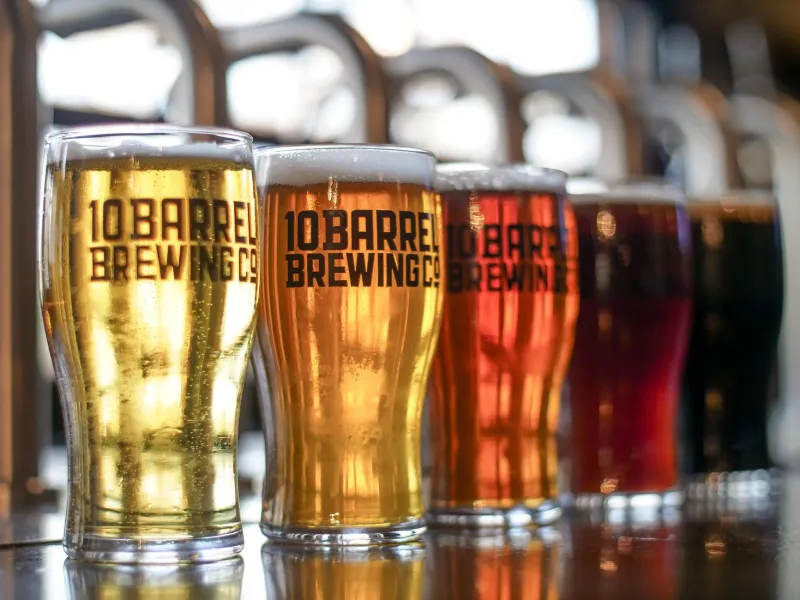
Random order is how you end up with three pastry stouts in a row and a palate that files for workers’ comp. Think in arcs. Week one should be crisp and bright: pilsners, lagers, a clean saison. You are warming up the palate, not assaulting it. Week two brings the hops: IPAs, pale ales, maybe a hazy that looks like orange juice and behaves like a tropical storm. Week three can get weird: sours, farmhouse ales, a smoked beer if you are feeling brave. Week four goes big and malty, because by December 20 you deserve a stout that tastes like a leather armchair.
Midweek resets matter. If Tuesday is a double IPA and Wednesday is a barrel-aged stout, Thursday should be a dry saison or a berliner weisse. Give the taste buds a hallway to walk through before the next boss fight. This is the difference between a calendar that feels curated and a calendar that feels like a convenience store clearance bin.
Also: do not put your two rarest beers on consecutive days. Spread the treasure. Anticipation is half the fun, and it keeps the final week from peaking too early.
Filter Out the Duds Before They Infiltrate
A dud is not always a bad beer. Sometimes it is a beer that does not fit the mission. A peppermint porter sounds hilarious in the store and tastes like toothpaste in the glass. A pumpkin ale in late December feels like a seasonal misfire. Read labels and check dates. Craft beer is not wine; most of it is not improving on a warm shelf for eighteen months. If the can has dust on it and the date stamp is from a previous administration, put it back.
Local breweries are your best defense. Fresh beer from a taproom or a brewery-cooler singles section usually beats a mystery import with a cartoon reindeer on the label. Ask the person at the counter what is drinking well right now. They know. They always know.
Label for Suspense, Not Chaos
Number the beers 1 through 24 and cover the labels with masking tape or blank stickers. Write only the number. Keep a master list on your phone or in a notebook that you do not leave on the kitchen counter. The daily reveal is the whole point. If you already know that Day 14 is the barrel-aged barleywine, you have robbed yourself of the tiny thrill that makes the calendar worth building.
Want to get fancy? Add a one-word clue on each label: “crisp,” “funky,” “loud,” “dangerous.” It is a fun little breadcrumb without spoiling the style. Just do not write “stout” on a stout and call it a clue. That is not a clue. That is a label.
Storage Is a Stealth Operation
Not every beer wants the same temperature. IPAs and pale ales should stay cold. Stouts and barleywines can handle a cool closet. Saisons are flexible. The trick is keeping 24 beers organized without turning your fridge into a game of Tetris. A sturdy box in the coolest closet in your place works for the shelf-stable stuff. The hoppy beers go in the fridge, ideally in the back where nobody rummages for string cheese.
If you live with people who might “accidentally” open a numbered bottle, hide the box. Not maliciously. Just strategically. A locked toolbox is overkill. A box labeled “tax documents” is not.
The Daily Ritual Matters
Open one beer per day. Not two. Not zero. The pacing is the ritual. Pour it into a glass, take a note, and move on with your evening. You do not need a formal tasting sheet. A two-line note on your phone is enough: what it smelled like, what it tasted like, whether you would buy it again. By December 24 you will have a personal record of 24 beers and a much better sense of what you actually like.
And if a beer misses? Fine. That is data. You learned something. The backup beer exists for a reason.
Build It Once, Enjoy It All Month
The real win of a homemade beer advent calendar is that every single pour is something you chose on purpose. No filler. No mystery macro lager disguised as craft. No sad chocolate. Just twenty-four small missions, sequenced with care, labeled for suspense, and stored like contraband. December 2026 is going to be busy enough. Your beer calendar should be the one part of the month that feels effortless — even though you know exactly how much planning went into it.