Stealth Aging: The Studio Apartment Guide to Cellaring Beer Like a Shadow
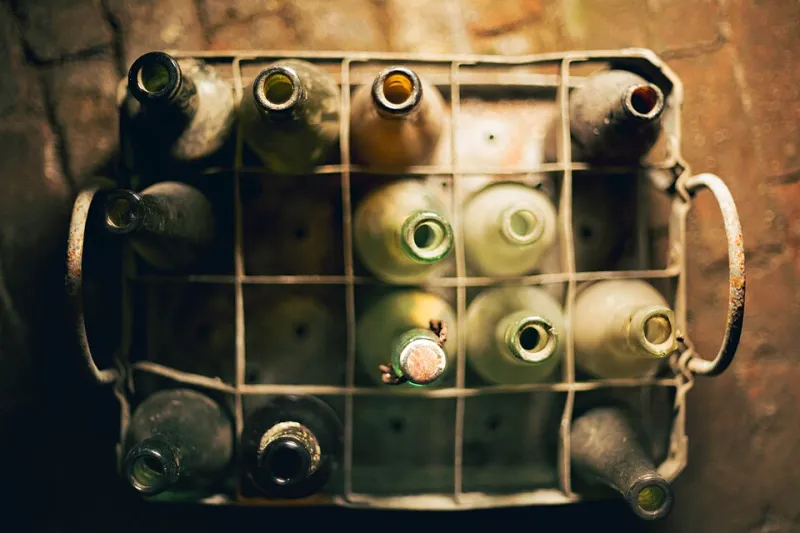
Photo: Severin Messenbrink, CC BY 3.0, via Wikimedia Commons
Somewhere between your third apartment and your first vertical of Founders KBS, you made a fatal discovery: beer cellaring and rental living are natural enemies. Landlords fear moisture. Roommates fear missing beer. And you? You fear opening a three-year-old imperial stout that tastes like wet cardboard and regret.
Good news, grasshopper. You don't need a castle dungeon to age beer properly. You need strategy, stealth, and about four square feet of dark space. Let's move like shadows.
First, a Hard Truth: Most Beer Should Be Drunk Fresh
Before you start shoving IPAs under your bed like a doomsday prepper, understand this: hops are the mortal enemies of time. That juicy hazy IPA from your local brewery is a perishable commodity, not an investment. Within 90 days, its tropical aromatics fade faster than your New Year's gym membership.
What does improve with age? Beers built for the long haul:
- Imperial stouts and barrel-aged anything — the boozier and darker, the better. Those boozy, roasty edges mellow into chocolate, leather, and dried fruit.
- Barleywines and old ales — oxidative notes become sherry-like complexity. This is a feature, not a bug.
- Sours and wild ales — brett and lacto keep working long after packaging, evolving like a sourdough starter with a drinking problem.
- Belgian quads and strong ales — the hot ethanol softens, the candi sugar deepens.
Rule of thumb: if the ABV is north of 8% or the yeast is funky, it's cellar-worthy. If the can says "citrus bomb," drink it this weekend.
The Studio Apartment Cellar: A Field Guide
Your mission parameters: no basement, no garage, maybe a mini fridge that's mostly cream cheese. Here's your equipment loadout.
The Dark Closet Method (Free)
Interior closets are the unsung heroes of apartment cellaring. They maintain relatively stable temps, see zero light, and nobody opens them except during seasonal wardrobe crises.
Your targets: 55-60°F is the textbook number, but honestly, stability matters more than perfection. A closet that holds a steady 68°F beats one that swings from 60 to 80 every day. Temperature swings age beer violently and unevenly — think of it as shaking a snow globe every few hours for a year.
Ninja move: put a cheap thermometer in the closet and check it across a few days before committing your good bottles. If it swings more than 10 degrees, relocate.
The Mini Fridge Gambit ($60-150)
A dedicated beverage fridge set to its warmest setting (usually around 45-50°F) is ideal for beers you'll drink soon — but it's cold for long-term aging. Cold slows the chemistry to a crawl. So split the fleet:
- Fridge: fresh stuff, sours you're drinking this year
- Closet: the long-agers, wrapped against light
The Under-the-Bed Bunker
Cardboard boxes of bottles under the bed are the classic stealth cellar. Dark, out of sight, thermally buffered by your floor. Pro move: store bottles upright, not on their sides. The crown cap contact with beer can corrode over years, and upright storage lets sediment settle cleanly at the bottom of the bottle.
The Stealth Checklist: Evading Roommates, Landlords, and Thirsty Friends
Your collection is like a ninja: silent, unseen, and striking only when the moment is right. Run this checklist before you deploy.
- No light, no life. UV light skunks hop compounds in hours. Every storage zone gets a box, a bag, or a door. Brown bottles buy you time; clear bottles buy you nothing.
- Label discipline. Photograph every bottle and log it in a notes app with the purchase date. Future you, three barrel-aged stouts deep, will not remember what's in the unlabeled box under the futon.
- The decoy six-pack. Keep a stash of approachable lagers in the main fridge. Roommates and party guests hit those like a decoy trap, and your cellar lives another day.
- Moisture counterintelligence. Landlords don't fear beer; they fear water damage. Keep everything on a tray or in sealed bins, never directly on carpet or hardwood.
- The move-out protocol. Boxes with handles. Your cellar should be deployable to a new apartment in under ten minutes, like a go-bag for fermented goods.
Timing the Strike: When to Open What
Aging without an exit strategy is just hoarding. Rough drinking windows:
- Imperial stouts: 1-3 years, with a sweet spot around 18 months
- Barleywines: 1-5 years
- Sours: 1-3 years, longer if bottle-conditioned
- Belgian quads: 2-5 years
Mark your calendar like a heist. Open one bottle from any batch annually as a reconnaissance mission — taste it, take notes, decide whether the rest hold or strike now.
Disappear Into the Shadows (With a Great Beer)
Cellaring in a studio apartment isn't a compromise — it's a discipline. You'll learn patience, palate memory, and exactly how much silent judgment a closet full of barleywines can hold. Brew the beer, bide your time, and when the moment comes, pour like you planned it all along.
Because you did. That's the ninja way.