Your Kombucha-Sour Has a 700-Year-Old Godfather (And He'd Have Notes)
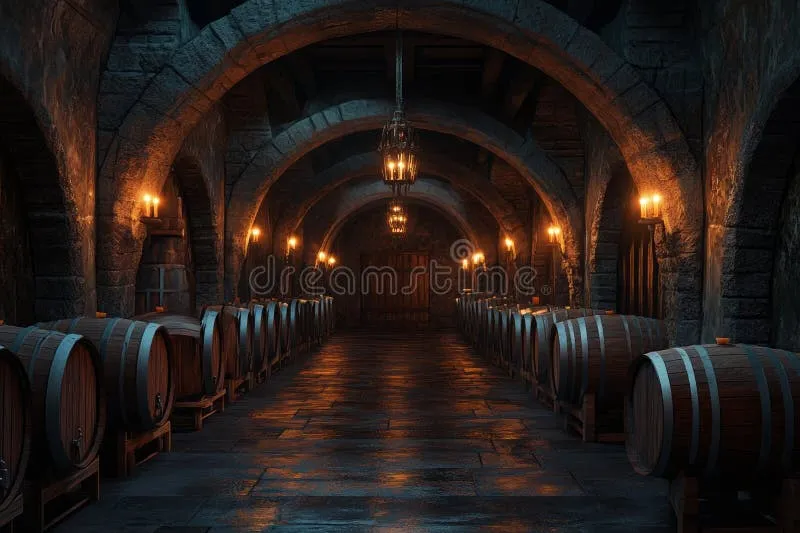
Photo: dark monastery beer cellar with oak barrels moody lighting, via thumbs.dreamstime.com
Picture a Belgian monk from the 1300s standing in your neighborhood taproom. The neon signs confuse him. The guy loudly explaining his 'flavor journey' confuses him more. But then he sips your kombucha-sour hybrid — that tart, funky, lightly effervescent thing in a stemmed glass — and slowly nods. This, he'd say, I know.
That's the uncomfortable little secret of modern craft beer: the pours we celebrate as boundary-pushing are, more often than not, centuries-old techniques wearing skinny jeans.
Monks Were Doing Mixed Fermentation Before It Was a Brand
For most of brewing history, there was no such thing as a 'chosen' yeast. Brewers — and monasteries were the breweries of medieval Europe, complete with the best water access and the most patient labor force — fermented with whatever drifted in on the breeze. Wild yeast and bacteria weren't a flaw to engineer out; they were the whole show.
Belgian lambic producers in the Senne Valley still practice spontaneous fermentation the old way: cooling wort in shallow open coolships overnight, letting the ambient microflora of the building do the pitching. No lab, no yeast packet, just faith and airflow. When your favorite brewery brags about its 'house mixed culture,' it's describing a tradition older than the printing press.
The monk in our hypothetical taproom wouldn't call it mixed fermentation. He'd call it Tuesday.
Kettle Sours: The 18th-Century Hack That Went Viral
Here's where it gets fun. The kettle sour — the workhorse technique behind half the tart pink cans on American shelves — is essentially a shortcut version of techniques European brewers stumbled into centuries ago. Berliner Weisse, that cloudy, low-ABV German sour, traditionally relied on lactic acid bacteria working alongside yeast, sometimes deliberately, sometimes by happy accident of sloppy sanitation.
Modern American brewers, ever the pragmatists, figured out how to control the process: pitch Lactobacillus into the kettle, let it sour at warm temps, then boil to kill the bacteria before adding clean yeast. It's fast, it's consistent, and it's the reason you can drink a sour in February that tastes like a peach orchard.
Is it cheating compared to a three-year foeder rest? Sure, if you want to be precious about it. But monks were pragmatists too — they brewed because beer was safe to drink and fasting rules were lenient during Lent. Necessity, not aesthetics, drove every 'tradition' we now romanticize.
The Foeder Fad Is Just Cellar Patience With Better Marketing
Walk into any ambitious American brewery and you'll spot it: the giant oak foeder (that's Flemish for a very large barrel, and yes, everyone pretends they knew how to pronounce it), sometimes holding thousands of gallons of aging beer.
Oak vessels do three things: slowly admit oxygen, harbor resident microbes, and lend subtle wood character. Medieval brewers used whatever container they had, and oak was what they had. The microbial ecosystems that built up in monastery cellars — the Brettanomyces, the Lactobacillus, the mysterious 'house character' that made one abbey's beer unmistakable — are exactly what modern brewers chase when they seasoned a foeder with years of sour batches.
Orval, the Trappist brewery that's basically a living museum, still dry-hops its beer with Brettanomyces in the bottle, producing a beer that changes in your cellar over months. American breweries doing 'evolving bottle releases' aren't inventing anything. They're reading the same playbook, just with Instagram accounts.
So What Would Actually Impress a 700-Year-Old Monk?
Honestly? Not the flavors — he'd find our fruited pastry sours bewildering, and the less said about hard seltzer, the better. What would stop him mid-sip:
- Consistency. Monastic brewers prayed for a decent batch. We can make the same beer identically ten thousand times. That's not innovation; that's sorcery by his standards.
- Hygiene. The single greatest brewing revolution isn't kettle sours or hop bursts — it's that we understand why beer spoils. Pasteur figured it out in the 1860s studying why French beer kept going sideways.
- Choice. A medieval drinker drank what the local monastery made or nothing. You can choose between a clean pilsner and a wild ale from the same tap wall. Abundance is the real modern miracle.
The Way of the Brewski
There's a lesson here for the taproom regular and the homebrewer alike: the 'extreme' end of craft beer is a conversation with the dead, not a rebellion against them. Every kettle sour, mixed-culture saison, and foeder-aged stout is a rediscovery dressed in new packaging — which, come to think of it, is also a very old tradition.
So next time you crack open something tart, funky, and vaguely fashionable, raise it to the cellar monks. They did it first, they did it in silence, and they didn't even get a cool can design for their trouble.
Now that's discipline.